
How you became YOU
‘Give me a child until he is 7 and I will show you the man’
Aristotle
We like to think of ourselves as original, unique, and in control of our lives, but the reality is very different. We are a biological organism and like other animals, our nervous system’s organisation begins before we’re born, shaped by factors we never chose: genetics, our mother’s nervous system state during pregnancy, early caregiving experiences, family dynamics, cultural messages and countless random events.
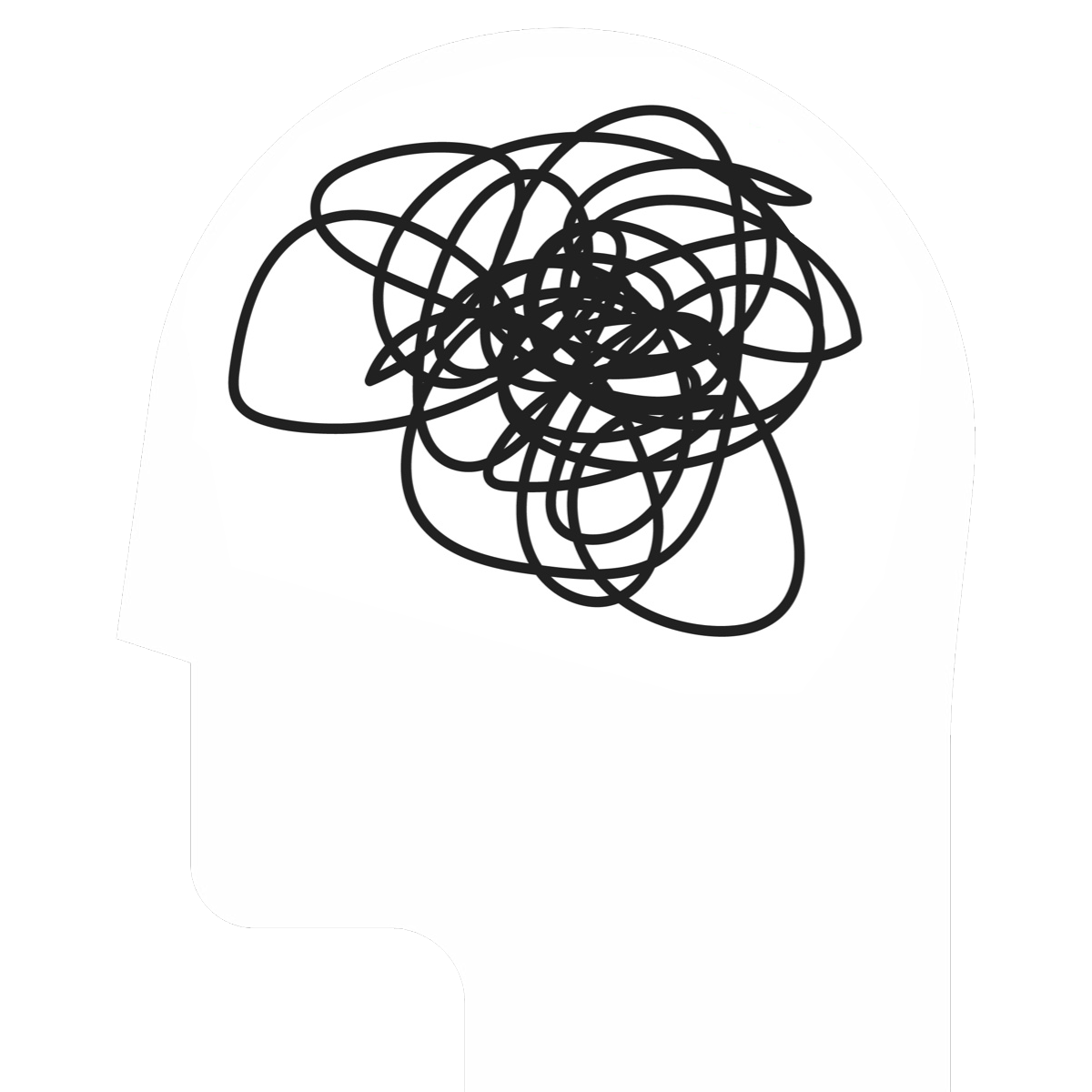
The first few years of life are when the nervous system is mostly shaped, developing fundamental patterns around safety, threat and how to get needs met. Our experiences don’t just create memories, they literally organise how the nervous system operates and therefore how we interpret life.
As young children, we learn to adapt in order to stay safe and get our needs met. We figure out which behaviors get positive attention and which lead to rejection or punishment. We might learn to suppress certain feelings, hide parts of ourselves or perform in specific ways to maintain connection. These aren’t conscious choices, they’re the nervous system organising itself around the conditions it’s experiencing. What we call “personality” is largely these adaptive patterns that stabilised early on.
As we grow, we often develop an external orientation by looking outside ourselves for security, validation, and a sense of worth. We form attachments to partners, achievements, possessions, status, or substances to fill what feels like an internal deficit. We carry voices in our heads telling us who we should be, what’s valuable, what’s acceptable – most of these voices are absorbed from parents, culture, media, education.
Many people end up living lives shaped more by these inherited patterns than by any authentic sense of what they actually want. Or they drift, unclear which direction to turn because the internal signals have been overridden by external conditioning for so long.
In the developed world especially, a vast number of people live with a persistent sense of “not enough” not good enough, not successful enough, not attractive enough, not doing enough. This feeling drives constant seeking: the next relationship, promotion, purchase, qualification, experience, or fix that might finally make us feel complete or secure. This “not enough” feeling isn’t revealing some actual deficiency in you. It’s the nervous system operating from patterns established when you were too young to question them. When a child’s emotional needs aren’t fully met, when approval is conditional, when love feels unpredictable, the nervous system organizes around the interpretation “something is wrong with me.” That interpretation becomes the baseline, a configuration the system holds because it made sense of early experience and helped navigate a challenging environment.
These beliefs aren’t “wrong” in the sense of being mistakes you made. They were functional and helped a young nervous system create stability and predict how to stay safe. The issue is that they often persist long after the original conditions have changed, because the nervous system doesn’t automatically update its operating patterns just because circumstances improve.
The sense of “not enough” isn’t truth, it’s a pattern and understanding this doesn’t fix anything immediately. But it does remove the layer of self-blame. You’re not failing to be “better.” You’re experiencing the natural result of how your particular nervous system organized itself under the specific conditions you encountered, conditions you never chose and couldn’t control.
It’s time to move